
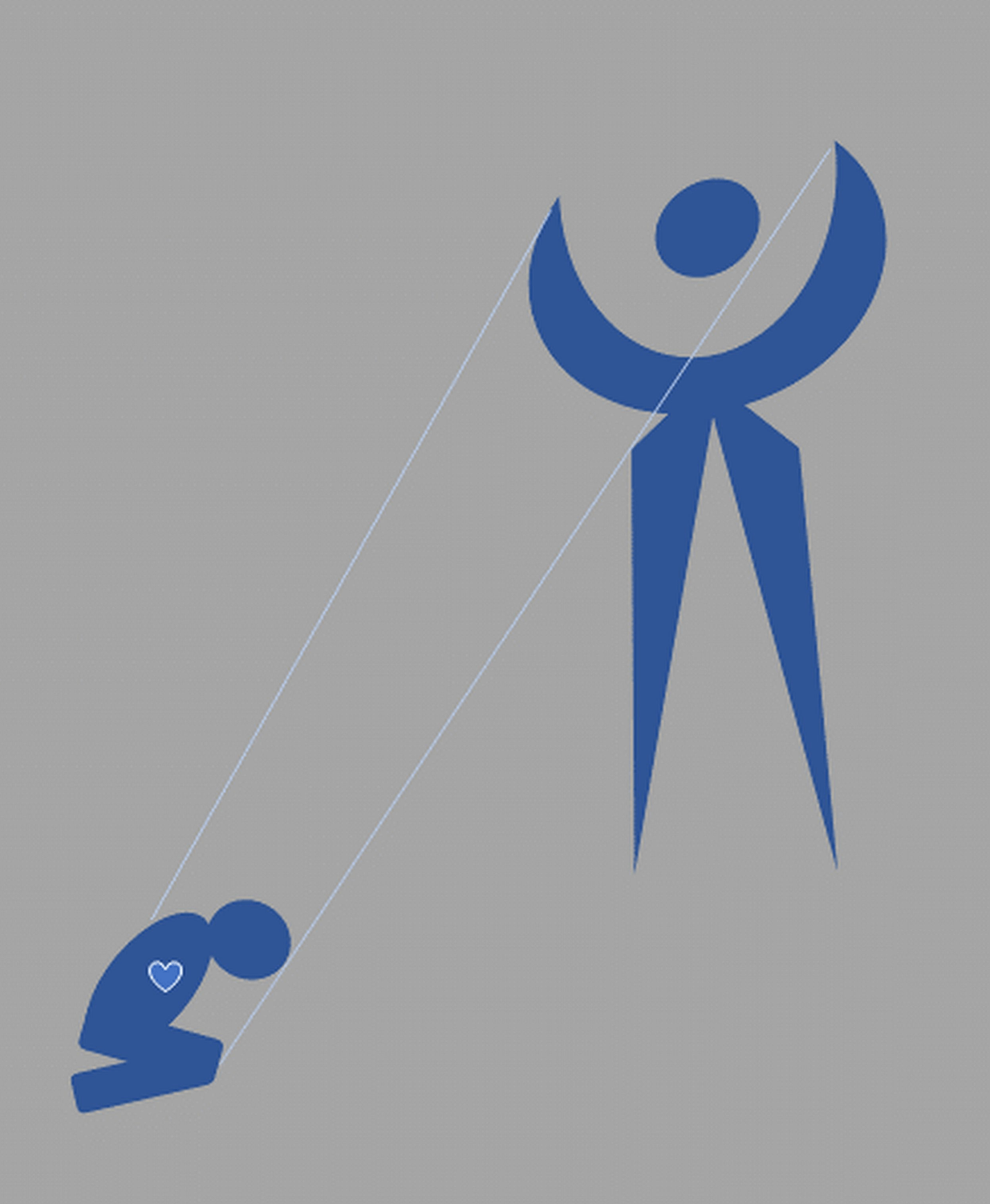
Toxic individuals who exhibit a total lack of empathy inflict profound psychological harm through manipulation, invalidation, and emotional neglect. Their inability to acknowledge others’ feelings often manifests in dismissive behaviour (e.g., mocking emotions), selfish decision-making, and gaslighting—a tactic that erodes the victim’s trust in their own perceptions. Over time, victims may internalise blame, leading to chronic self-doubt, anxiety, and depression.
A particularly insidious dynamic is the trauma bond, where victims form unhealthy attachments to their abusers due to cyclical abuse interspersed with intermittent affection or remorse. This pattern, common in toxic relationships or workplaces, creates a psychological dependency akin to addiction. The abuser’s occasional kindness fosters hope for change, while the unpredictability of their behaviour traps the victim in learned helplessness. Victims often rationalise the abuse (“They didn’t mean it”) or prioritise the abuser’s needs over their own safety, perpetuating the cycle.
Leaving such relationships is notoriously difficult due to isolation tactics (e.g., cutting off social support) and fear of retaliation. In workplaces, hierarchical power imbalances exacerbate the trauma bond, as employees may depend on the toxic individual for career stability. Recovery requires professional intervention, boundary-setting, and rebuilding self-worth through supportive networks.
Want to be the first to know?
If you are interested in being notified of new courses on the Highly Sensitive Person, sign up here.
By signing up, you agree to receive email updates.
Privacy Policy