
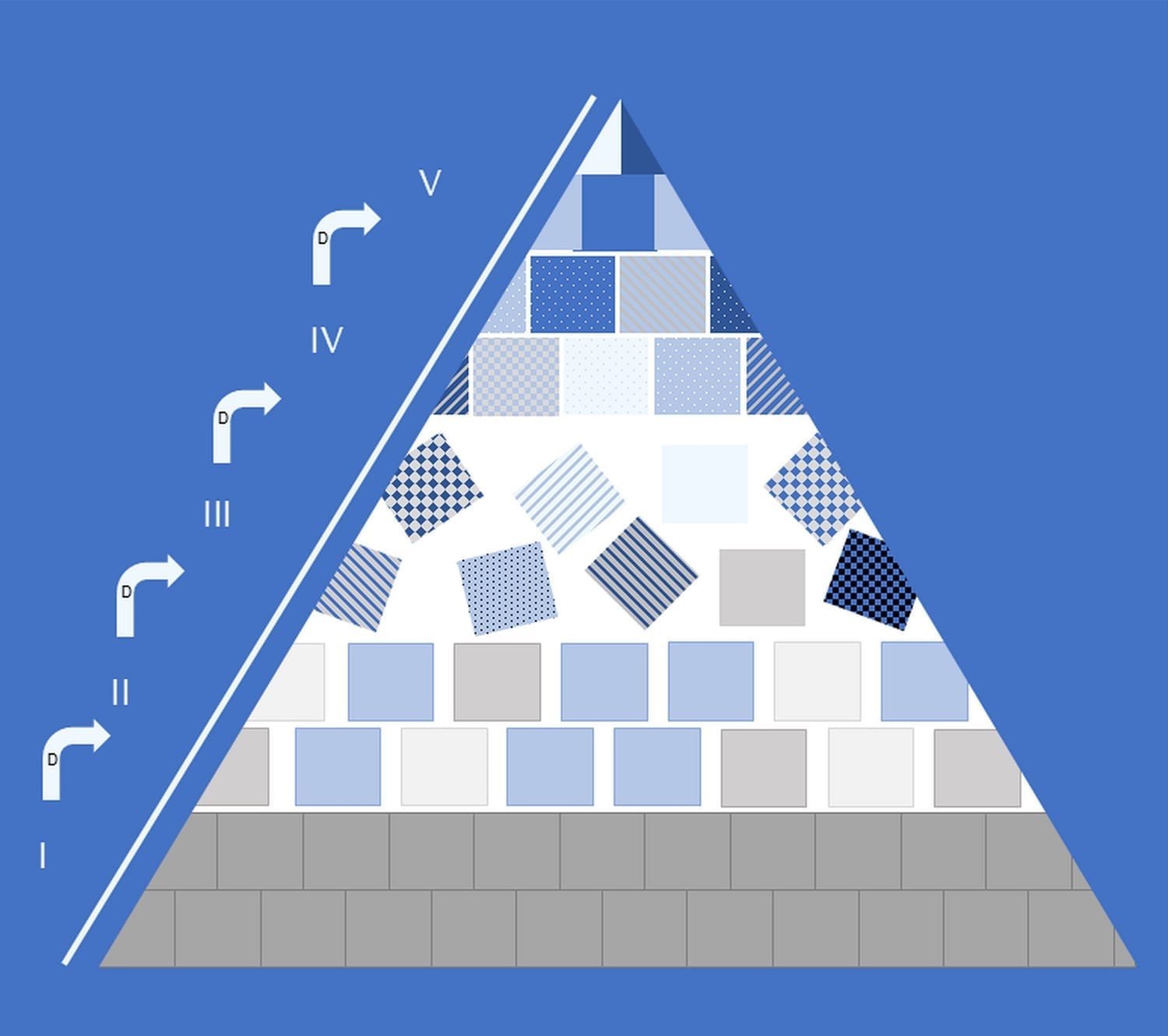
The Theory of Positive Disintegration (TPD), developed by Polish psychologist Kazimierz Dąbrowski, reframes psychological distress as a catalyst for growth. Unlike conventional models that pathologise anxiety and depression, TPD posits that these states may signal an individual’s progression toward their personality ideal—a self-determined, altruistic version of oneself.
At its core, TPD asserts that inner conflict—such as existential questioning, guilt, or self-doubt—is necessary to dismantle rigid, socially conditioned behaviours ("primary integration"). This "disintegration" allows individuals to reconstruct their values consciously, guided by developmental potential, which includes heightened sensitivity, overexcitability, and a drive for self-perfection. Those experiencing depression or anxiety often exhibit this potential, as their emotional intensity reflects a clash between their current self and aspirational ideals.
Dąbrowski identified five levels of development, with stages II–IV representing phases of turmoil where individuals confront their limitations and societal norms. For example, existential depression—thought to be common among gifted individuals—arises from acute awareness of life’s injustices, pushing them to seek higher ethical standards. Through autopsychotherapy (self-guided reflection) and embracing "third factor" motivations (intrinsic growth urges), individuals transform distress into resilience, empathy, and creativity, ultimately achieving "secondary integration"- a harmonised, authentic self-aligned with their ideal.
Want to be the first to know?
If you are interested in being notified of new courses on the Highly Sensitive Person, sign up here.
By signing up, you agree to receive email updates.
Privacy Policy